
Hnycareershub
Add a review FollowOverview
-
Founded Date May 1, 1932
-
Sectors test
-
Posted Jobs 0
-
Viewed 1162
Company Description
NHS: A Universal Embrace
In the sterile corridors of Birmingham Women’s and Children’s NHS Foundation Trust, a young man named James Stokes navigates his daily responsibilities with subtle confidence. His polished footwear barely make a sound as he acknowledges colleagues—some by name, others with the universal currency of a “hello there.”
James displays his credentials not merely as a security requirement but as a symbol of belonging. It sits against a neatly presented outfit that betrays nothing of the challenging road that preceded his arrival.
What separates James from many of his colleagues is not obvious to the casual observer. His presence discloses nothing of the fact that he was among the first beneficiaries of the NHS Universal Family Programme—an undertaking designed specifically for young people who have been through the care system.
“I found genuine support within the NHS structure,” James explains, his voice controlled but revealing subtle passion. His observation captures the heart of a programme that seeks to transform how the enormous healthcare system views care leavers—those vulnerable young people aged 16-25 who have transitioned from the care system.
The figures paint a stark picture. Care leavers commonly experience higher rates of mental health issues, money troubles, shelter insecurities, and reduced scholarly attainment compared to their age-mates. Beneath these clinical numbers are human stories of young people who have navigated a system that, despite best intentions, frequently fails in delivering the stable base that forms most young lives.
The NHS Universal Family Programme, initiated in January 2023 following NHS England’s pledge to the Care Leaver Covenant, represents a substantial transformation in organizational perspective. At its heart, it recognizes that the complete state and civil society should function as a “collective parent” for those who have missed out on the stability of a conventional home.
A select group of healthcare regions across England have led the way, creating systems that reimagine how the NHS—one of Europe’s largest employers—can open its doors to care leavers.
The Programme is thorough in its strategy, starting from thorough assessments of existing procedures, establishing governance structures, and obtaining senior buy-in. It acknowledges that meaningful participation requires more than noble aims—it demands concrete steps.
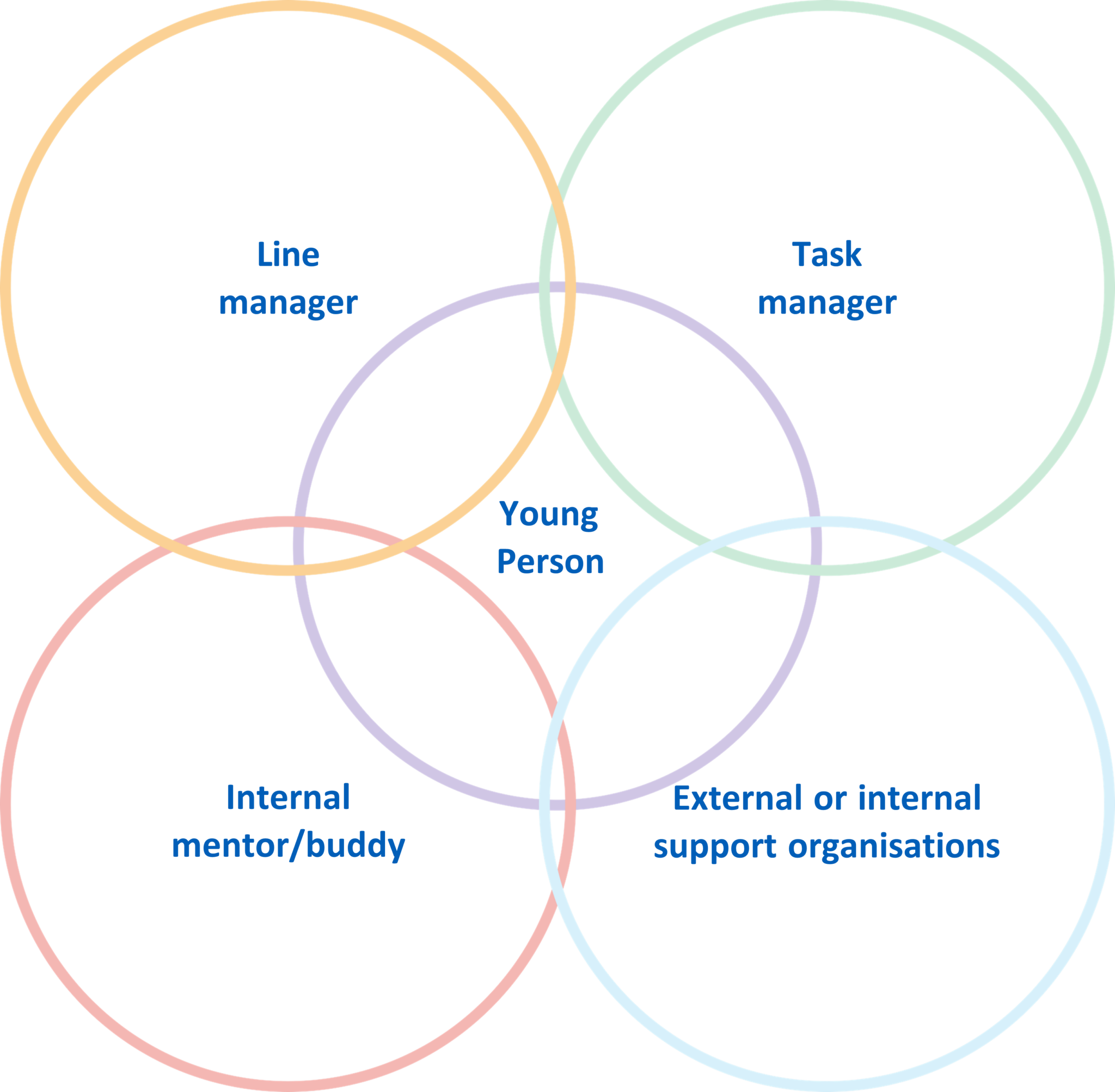
In NHS Birmingham and Solihull ICB, where James found his footing, they’ve created a consistent support system with representatives who can provide support, advice, and guidance on personal welfare, HR matters, recruitment, and inclusivity efforts.
The standard NHS recruitment process—rigid and potentially intimidating—has been carefully modified. Job advertisements now focus on character attributes rather than long lists of credentials. Application procedures have been redesigned to address the unique challenges care leavers might encounter—from missing employment history to having limited internet access.
Possibly most crucially, the Programme recognizes that entering the workforce can pose particular problems for care leavers who may be handling self-sufficiency without the safety net of familial aid. Issues like commuting fees, identification documents, and bank accounts—considered standard by many—can become significant barriers.
The beauty of the Programme lies in its thorough planning—from explaining payslip deductions to providing transportation assistance until that essential first payday. Even apparently small matters like break times and workplace conduct are carefully explained.
For James, whose NHS journey has “changed” his life, the Programme delivered more than employment. It gave him a perception of inclusion—that ineffable quality that emerges when someone feels valued not despite their background but because their particular journey enhances the workplace.
“Working for the NHS isn’t just about doctors and nurses,” James observes, his eyes reflecting the subtle satisfaction of someone who has discovered belonging. “It’s about a community of different jobs and roles, a family of people who genuinely care.”
The NHS Universal Family Programme exemplifies more than an work program. It functions as a strong assertion that systems can evolve to welcome those who have known different challenges. In doing so, they not only alter individual futures but enrich themselves through the unique perspectives that care leavers bring to the table.
As James navigates his workplace, his involvement quietly demonstrates that with the right assistance, care leavers can succeed in environments once thought inaccessible. The support that the NHS has provided through this Programme symbolizes not charity but recognition of overlooked talent and the essential fact that all people merit a community that believes in them.
