
Wooden Pallets For Shipping
Add a review FollowOverview
-
Founded Date May 14, 1964
-
Sectors test
-
Posted Jobs 0
-
Viewed 68
Company Description
The 10 Scariest Things About Pallets Warehouse
The Essential Role of Pallets in Warehouse Operations
In the modern-day logistics and supply chain landscape, efficient storage and dealing with options are paramount. One of the unrecognized heroes of this system is the pallet– an often-overlooked yet important component in warehouse operations. Understanding the role of pallets can considerably impact both operational efficiency and cost-effectiveness. This blog will look into the qualities, types, advantages, and best practices for using Pallets Warehouse in a warehouse setting.
What is a Pallet?
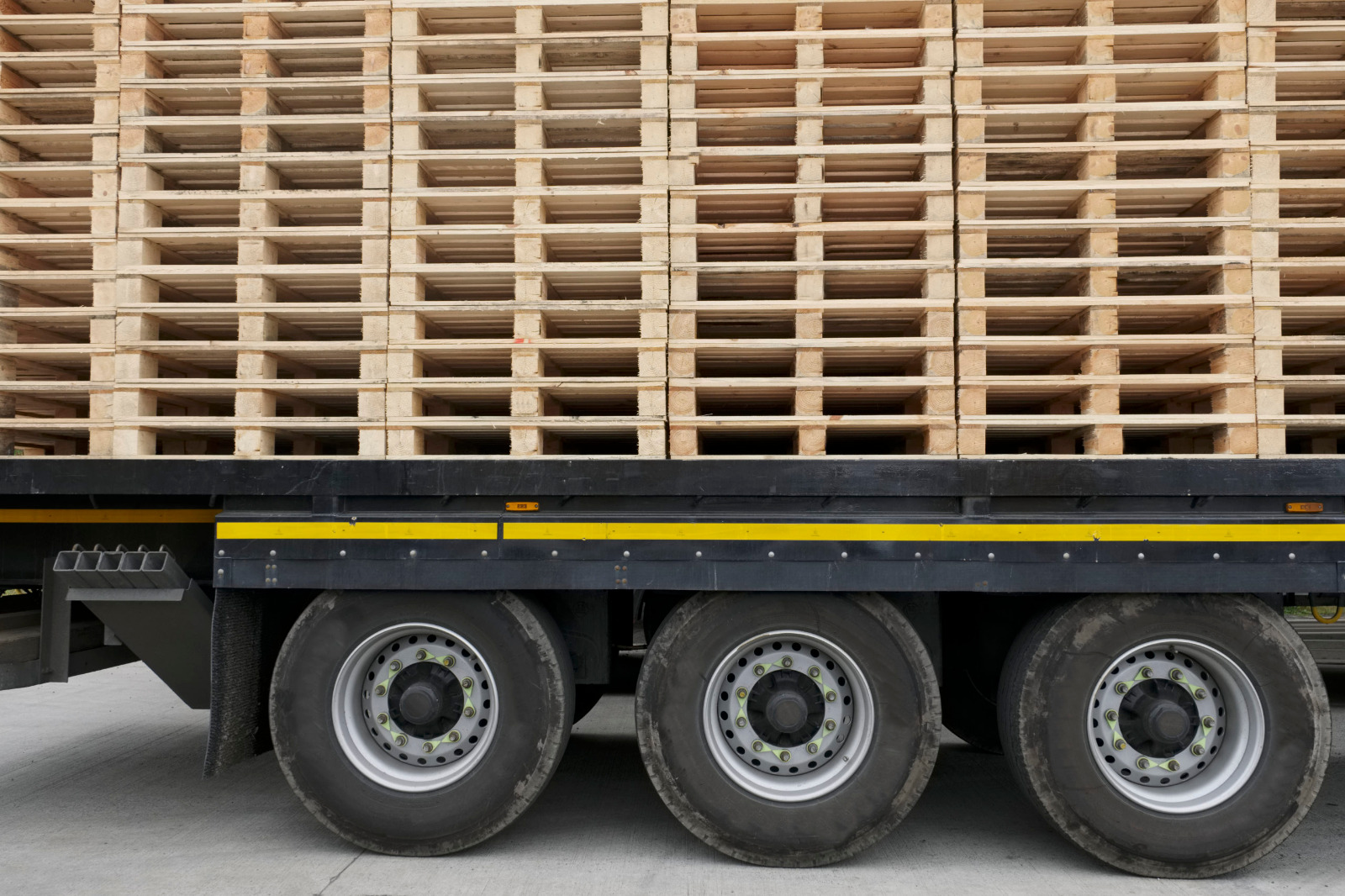
A pallet is a flat structure, usually made from wood, plastic, or metal, that offers a stable base for stacking, storing, and carrying goods. Pallets enable much easier handling with forklifts and pallet jacks, optimizing the area and effectiveness in warehouses and storage facilities.
Kinds of Pallets
Pallets are available in various types to fit various requirements and environments. Here’s a table summarizing the essential attributes of each type:
| Type | Product | Load Capacity | Common Uses | Life expectancy |
|---|---|---|---|---|
| Wooden Pallet | Wood | 2,000-5,000 pounds | General warehousing, farming | 3-5 years |
| Plastic Pallet | Plastic | 1,500-3,500 lbs | Pharmaceutical, food markets | 10+ years |
| Metal Pallet | Steel/Aluminum | 2,000-10,000 lbs | Heavy-duty applications, industrial usage | 20+ years |
| Composite Pallet | Compressed products | Varies | Ecologically friendly alternatives | 5-10 years |
| Euro Pallet | Wood | 2,000-3,000 lbs | European transportation, retail usage | 5-10 years |
The Importance of Pallets in Warehouse Operations
Area Optimization
Pallets help with vertical storage, permitting warehouses to optimize vertical area. Rather of stacking products haphazardly, utilizing pallets provides a systematic method to warehousing. This vertical structure can often maximize floor space, allowing more effective workflows.
Effective Handling
By standardizing storage on pallets, employees can use forklifts and pallet jacks to move big quantities of items quickly. This lowers manual work, increasing labor performance, and possibly reducing the danger of workplace injuries.
Stock Management
Pallets are crucial for stock control. Making use of pallets enables clearer exposure of stock levels, which assists in tracking products and managing stock levels better. Moreover, each pallet can be tagged with barcodes or RFID tags, improving the accuracy of stock management systems.
Cost-Effectiveness
While the initial financial investment in pallets may appear significant, their long lifespan and ability to optimize space can cause significant expense savings over time. Reduced labor costs, enhanced inventory management, and decreased damage to goods also add to total cost savings.
Environmental Impact
Sustainability is progressively ending up being a crucial focus for warehouse operations. Utilizing recyclable pallets or those made from sustainable products can reduce environmental effect. Choosing plastic or composite pallets can also lead to reduced waste with time.
Best Practices for Pallet Management
To guarantee that the advantages of pallets are optimized, it is necessary to execute best practices in pallet management:
- Regular Inspection: Periodically check pallets for damage and wear. Change or repair as required to prevent accidents or losses.
- Proper Storage: Ensure pallets are kept correctly– this consists of stacking them uniformly and securely to avoid collapse.
- Training Staff: Educate staff members on how to deal with pallets properly to decrease the threat of injury and accidents.
- Tracking Systems: Implement tracking systems for barrels to enhance stock management and lower loss or damage.
- Standardization: Use standardized pallet sizes to optimize warehouse systems for filling and dealing with.
- Recycling and Reuse: Promote recycling practices for damaged or redundant pallets to decrease waste.
Often Asked Questions (FAQs)
Q1: How do I pick the best pallet for my warehouse?
A: The ideal pallet depends on a number of factors, consisting of the kind of products being kept, weight capacity, dealing with methods, and spending plan. Guarantee that you examine your distinct requirements before making a choice.
Q2: How typically should palleted products be checked?
A: Palleted products need to be inspected frequently– ideally, before use and every number of months throughout storage– to recognize any damage or risks.
Q3: Can pallets be reused?
A: Yes, lots of pallets can be reused as long as they are checked for safety and compliance with standards. Wooden pallets might reveal indications of wear and might need to be replaced sooner than plastic or metal pallets.
Q4: Are there particular regulations for pallet use in particular industries?
A: Yes, specific industries such as food and pharmaceuticals have rigorous guidelines regarding pallet usage to guarantee hygiene and security. It’s important to research and understand these guidelines.
Q5: How do I identify the lifespan of a pallet?
A: The lifespan of a pallet is influenced by its product, usage, and handling. Regular evaluations can help you assess the condition and figure out whether a pallet is safe for continued usage.
In conclusion, pallets are integral to the effectiveness and effectiveness of warehouse operations. Understanding their advantages and implementing best practices can cause a marked enhancement in storage, dealing with, and inventory management. As businesses continue to evolve, embracing efficient practices surrounding pallets will be vital in attaining operational excellence. By making notified choices about pallet types, standards, and management, storage facilities can navigate the complexities these days’s logistics landscape while enhancing their resources.