
Course #14: Lesson 4
Building A Portfolio And Work Samples
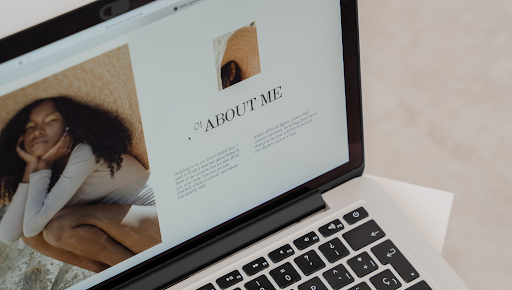
When you're stepping into the world of remote work, your portfolio is your handshake, your calling card, and your personal billboard all rolled into one. More than a collection of previous projects, it's a showcase of your skills, creativity, and what you bring to the table.
Let's break down how to build a portfolio and work samples that will get you noticed and, more importantly, hired.
Why Your Portfolio Matters
It's Your First Impression
In the remote job market, you often don't get the chance to meet your potential clients face-to-face. Your portfolio makes that crucial first impression for you. Consider it your professional highlight reel. If you're a graphic designer, it's a visual feast of your best work.
If you're a writer, it's a collection of your most compelling pieces. Your portfolio should quickly and effectively communicate who you are, what you do, and how well you do it.
Showcasing Your Skills
Your portfolio isn't just about showing off finished products; it's about highlighting the skills and processes behind them. Include work that demonstrates your problem-solving skills, creativity and range of skills.
For instance, if you're a web developer, don't just include screenshots of websites. Talk about the challenges you faced, the solutions you devised, and the technologies you used. This gives potential clients insight into how you work and what you're capable of.
How To Build Your Portfolio
Selecting Your Best Work
Start by choosing pieces that not only look good but also represent the breadth of your abilities. You don't need to include everything you've ever done. Instead, choose a selection that shows variety and progression. Include projects that have a story or a challenge you overcame. This makes your portfolio more engaging and memorable.
Creating A Cohesive Presentation
Your portfolio should be more than just a collection of work; it should be a well-thought-out presentation. This means having a clean, professional layout, whether it's a website or a PDF document.
Use high-quality images and concise, clear descriptions. If you're building a website, make sure it's easy to navigate and mobile-friendly. Your portfolio is a reflection of your professional standards, so make sure it's polished and professional.
Work Samples That Speak Volumes
Tailoring Samples To The Job
When applying for jobs, customize your portfolio to fit the role. This doesn't mean redoing your entire portfolio each time, but rather highlighting the work that's most relevant.
If you're applying for a copywriting job in the travel industry, for example, prioritize samples that showcase your travel writing or related projects.
Tailoring Samples To The Job
Don't be afraid to get creative with your work samples. If you're in a field where traditional portfolios aren't common, think outside the box.
Coders can share links to their GitHub repositories and marketing professionals can compile case studies of successful campaigns. Virtual assistants can create detailed project plans or efficiency reports. The key is to provide tangible evidence of your skills and achievements.
Conclusion
Building a compelling portfolio and selecting the right work samples are crucial steps in launching your remote career. They not only showcase your past achievements but also provide a glimpse into your potential. So curate your work and present it in a professional, accessible format. Then you're setting yourself up for success in the competitive world of remote freelancing.
Your portfolio and work samples are living documents. As you grow and evolve in your career, so should they. Keep updating and refining your presentation, and you'll keep opening doors to new opportunities.
Copyright 2023 - WriteAppReviews - All Rights Reserved