
Protokolla
Add a review FollowOverview
-
Founded Date February 4, 1922
-
Sectors test
-
Posted Jobs 0
-
Viewed 86
Company Description
DeepSeek: how Chinese Chatbot Conquers the Global IT Market

DeepSeep-R1 chatbot, an innovative development in the AI world, has actually recently triggered an outcry in both the financing and innovation markets. Created in 2023, this Chinese start-up quickly surpassed its competitors, consisting of ChatGPT, and became the # 1 app in AppStore in a number of nations.
DeepSeek wins users with its low price, being the first innovative AI system available totally free. Other similar big language designs (LLMs), such as OpenAI o1 and Claude Sonnet, are currently pre-paid.
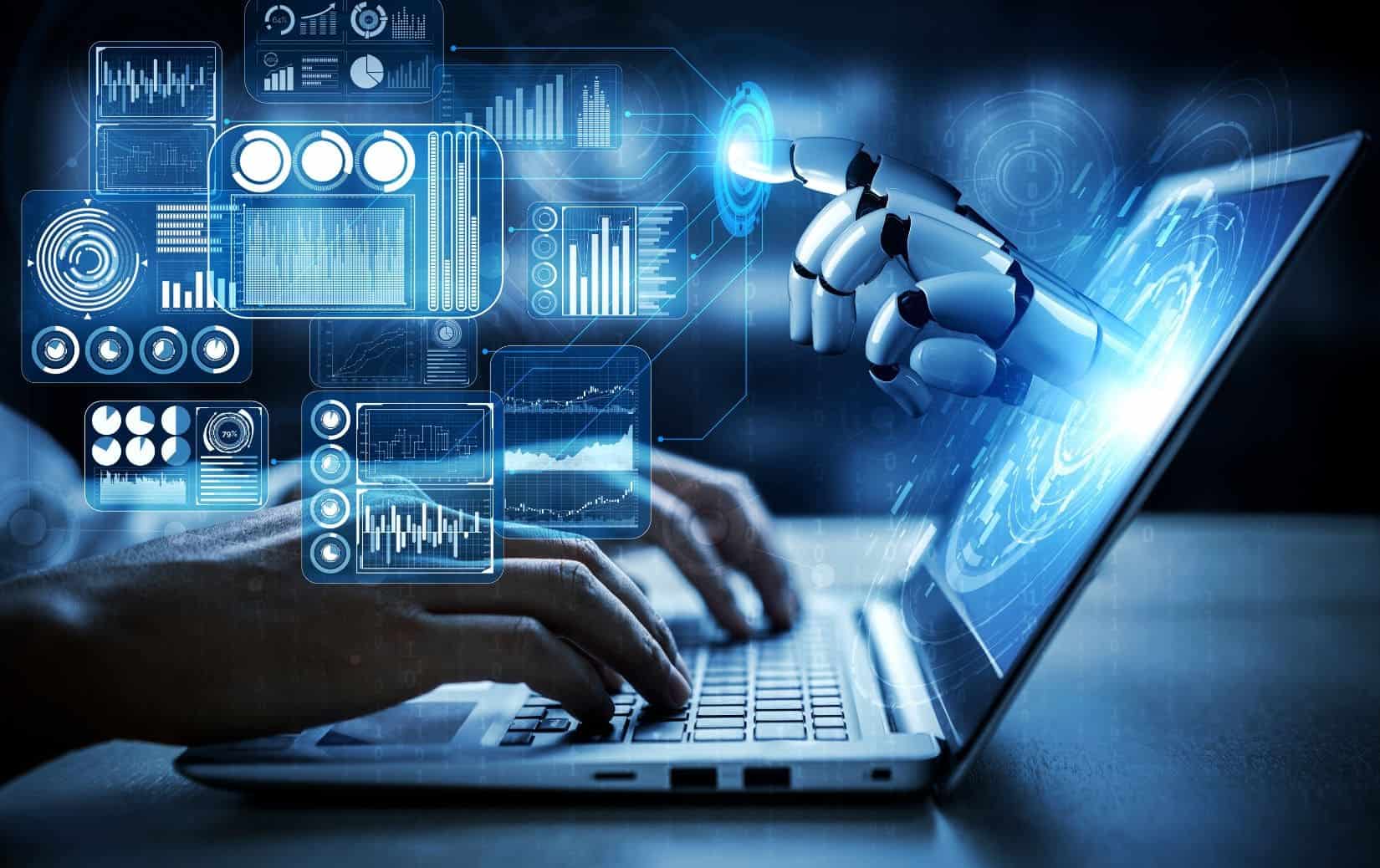
According to DeepSeek’s designers, the expense of training their model was just $6 million, a revolutionary little sum, compared to its rivals. Additionally, the model was trained utilizing Nvidia H800 chips – a streamlined variation of the H100 NVL graphics accelerator, which is allowed for export to China under US constraints on selling sophisticated innovations to the PRC. The success of an app established under conditions of restricted resources, as its designers declare, became a “hot subject” for conversation amongst AI and company specialists. Nevertheless, some cybersecurity experts point out possible hazards that DeepSeek might bring within it.
The danger of losing investments by big technology companies is presently among the most pressing topics. Since the big language model DeepSeek-R1 initially became public (January 20th, 2025), its unmatched success triggered the shares of the companies that invested in AI development to fall.
Charu Chanana, chief investment strategist at Saxo Markets, suggested: “The development of China’s DeepSeek shows that competitors is heightening, and although it might not position a substantial threat now, future rivals will develop faster and challenge the established business more rapidly. Earnings this week will be a substantial test.”
Notably, DeepSeek was released to public use nearly precisely after the Stargate, which was expected to end up being “the most significant AI infrastructure project in history up until now” with over $500 billion in financing was revealed by Donald Trump. Such timing could be viewed as an intentional effort to reject the U.S. efforts in the AI technologies field, not to let Washington acquire an advantage in the market. Neal Khosla, a founder of Curai Health, which uses AI to enhance the level of medical support, called DeepSeek “ccp [Chinese Communist Party] state psyop + economic warfare to make American AI unprofitable”.
Some tech experts’ suspicion about the revealed training expense and equipment used to develop DeepSeek may support this theory. In this context, some users’ accounting of DeepSeek presumably identifying itself as ChatGPT also raises suspicion.
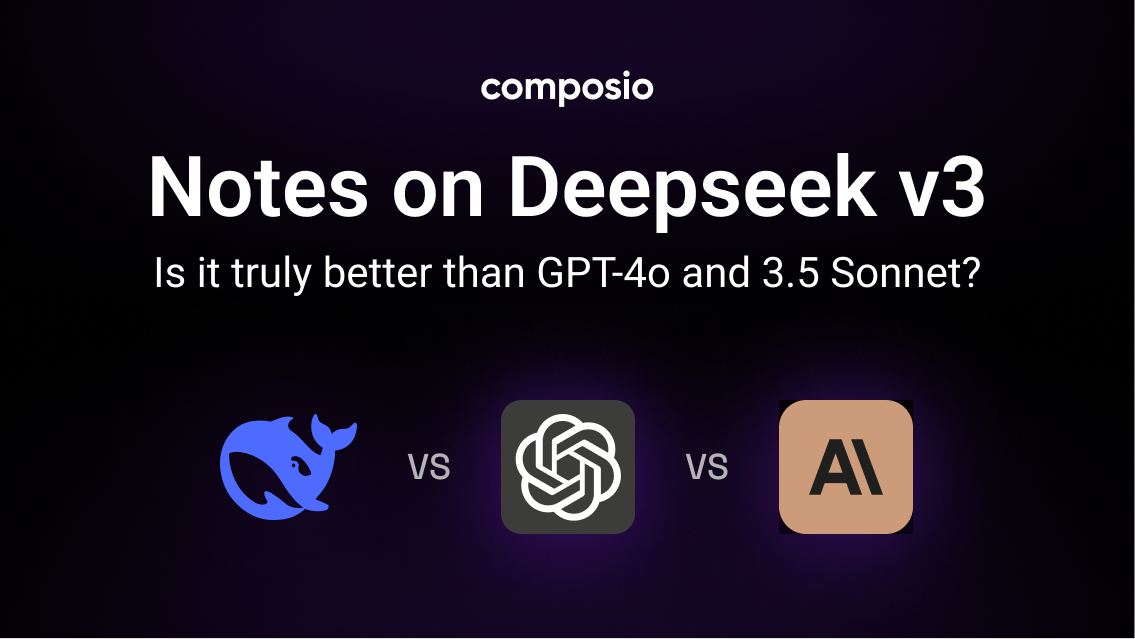
Mike Cook, a scientist at King’s College London specializing in AI, commented on the subject: “Obviously, the model is seeing raw responses from ChatGPT eventually, however it’s not clear where that is. It could be ‘unintentional’, however regrettably, we have seen circumstances of people straight training their models on the outputs of other models to attempt and piggyback off their knowledge.”
Some analysts also find a connection in between the app’s founder, iuridictum.pecina.cz Liang Wenfeng, and the Chinese Communist Party. Olexiy Minakov, an expert in communication and AI, shared his interest in the app’s fast success in this context: “Nobody checks out the terms of use and privacy policy, happily downloading an entirely free app (here it is suitable to recall the proverb about complimentary cheese and a mousetrap). And then your information is stored and readily available to the Chinese government as you communicate with this app, congratulations”

DeepSeek’s privacy policy, according to which the users’ information is saved on servers in China

The possibly indefinite retention duration for users’ individual details and concerning data retention for users who have actually violated the app’s terms of usage may also raise questions. According to its privacy policy, DeepSeek can get rid of details from public gain access to, but keep it for internal examinations.
Another danger lurking within DeepSeek is the censorship and bias of the info it supplies.
The app is hiding or providing deliberately false information on some topics, demonstrating the danger that AI innovations developed by authoritarian states might bring, and the influence they might have on the details area.
Despite the havoc that DeepSeek’s release triggered, some professionals show skepticism when speaking about the app’s success and the possibility of China providing new revolutionary innovations in the AI field quickly. For instance, the task of supporting and increasing the algorithms’ capacities may be a difficulty if the technological limitations for China are not raised and AI technologies continue to progress at the very same fast pace. Stacy Rasgon, an expert at Bernstein, called the panic around DeepState “overblown”. In his opinion, the AI market will keep receiving investments, oke.zone and there will still be a need for data chips and data centres.
Overall, the economic and technological changes triggered by DeepSeek may indeed show to be a momentary phenomenon. Despite its existing innovativeness, the app’s “success story”still has significant gaps. Not just does it concern the ideology of the app’s developers and the truthfulness of their “lower resources” advancement story. It is likewise a concern of whether DeepSeek will show to be resistant in the face of the marketplace’s needs, and its ability to maintain and overrun its rivals.